
Why Soil Testing in Ghana Construction Should Happen Before You Approve Any Design
September 4, 2026
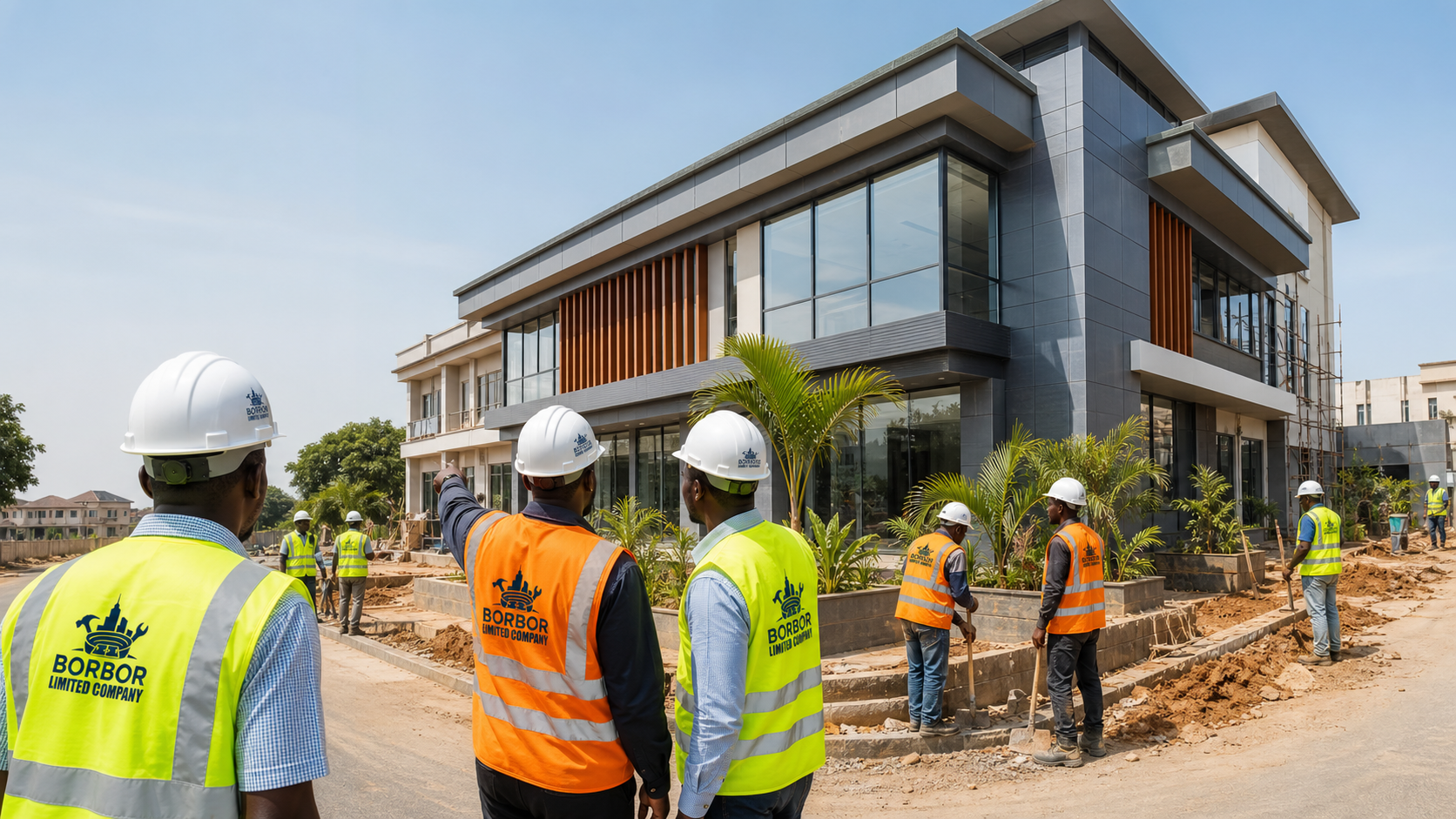
Why Soil Testing in Ghana Construction Should Happen Before You Approve Any Design
If you are planning a building in Accra, soil testing in Ghana construction is not a box to tick after your design is done. It is information your design depends on. Skip it, and your architect is essentially guessing what sits beneath your plot. That guess can hold for a few years. Then cracks appear. Floors begin to settle unevenly. Walls shift. By then, the fix costs far more than the test ever would have.
This is not a rare situation. It is a common one. And it is almost always avoidable.
What a Real Soil Test Actually Checks
A soil investigation, done properly, tells you three critical things about your land.
Bearing capacity. This is how much load the soil can carry before it compresses or shifts. Different soil types handle structural weight very differently. Accra sits on a mix of terrain: some areas have firm laterite, others have softer alluvial deposits near drainage channels, and some plots, particularly in low-lying zones around Adenta, Ashaiman, or parts of Tema, sit on fill material that was placed years ago and never properly compacted. A structure designed for one soil type will behave unpredictably on another.
Drainage characteristics. How water moves through and around your soil matters enormously in a city with Accra's rainfall pattern. The city receives heavy rain in two wet seasons: the major one running roughly from April to July, and a shorter one around September to November. If your soil drains poorly, water accumulates around your foundation. Over time, that moisture weakens the bond between foundation and ground, causes clay soils to expand and contract with the seasons, and accelerates the kind of slow movement that eventually cracks your walls from the bottom up.
Soil composition and layering. Soil is rarely uniform from the surface downward. A test drills or digs to the depth your foundation will actually reach and examines what is there at each layer. You might have firm ground at the surface and a softer, waterlogged layer beneath it, exactly where your foundation will sit. Without testing, no one knows this until the structure starts to show signs of distress.
Why the Problems Show Up Late, Not on Handover Day
This is the part that catches people off guard. Foundation problems caused by skipped soil testing rarely appear immediately. The structure looks fine when you collect your keys. It looks fine for the first rainy season. Sometimes it looks fine for two or three years.
What is actually happening during that time is gradual. Poorly supported foundations compress slowly under load. Waterlogged soils shift incrementally. The first visible signs, such as a hairline crack above a door frame, a floor that no longer sits level, or a wall that has begun to separate from the ceiling, only appear once the movement has accumulated enough to break the surface.
By that point, the contractor who skipped the test is long gone. The building owner is left with a structural problem that requires significant remedial work: excavating around foundations, underpinning, or in serious cases, demolishing and rebuilding sections of the structure. All of this is far more disruptive and expensive than a soil test conducted before a single line was drawn.
How Soil Test Results Should Shape Your Design
A soil test is not just a risk-check. It is design input. The findings should directly influence:
- Foundation type. Strip foundations, pad foundations, raft foundations, and pile foundations each suit different soil conditions. The right choice depends on what the test reveals, not on what is cheapest or most familiar to a contractor.
- Foundation depth. If the competent load-bearing layer sits deeper than expected, your foundation must reach it. Designing to a standard depth without testing is guesswork.
- Drainage provisions. If the test reveals poor drainage, your design should include appropriate measures, such as proper grading, French drains, and waterproofing membranes, built in from the start, not added as an afterthought.
- Material choices. Some soils are more chemically aggressive than others, particularly in coastal or industrial areas. This affects which concrete mix and reinforcement specifications are appropriate.
None of these decisions should be made before the test results are in your hands. Approving a design without them means approving a design built on assumptions.
What Drives the Cost of Getting This Wrong
The cost of remedial foundation work depends on several factors: how far the movement has progressed, how accessible the foundation is, whether the structure can be stabilised in place or requires partial demolition, and the size of the building. What drives the cost up is not the complexity of the original problem. It is the time that passed before anyone addressed it. Slow, undetected movement that continues for years is harder and more expensive to fix than a problem caught early.
The cost of a soil test, by contrast, is driven by the depth of investigation required, the number of test points across your plot, and the laboratory analysis involved. What it is not driven by is the size of your building. A large building and a small one both need to know what is under them.
Soil Testing Ghana Construction: What to Ask Your Contractor
Before you approve any design, ask your contractor directly: has a soil investigation been done on this plot? If the answer is no, or if they suggest it can wait, that is a sign worth taking seriously. A contractor who understands Accra's terrain, its drainage challenges, its varied soil types, and the way the wet seasons stress structures, will not skip this step.
At Borbor Limited, we research the soil, climate, and site conditions before any design goes forward. We do not recommend the expensive option. We recommend the right one, based on what the ground actually tells us.
If you have a plot in Accra and you are not sure what is beneath it, contact us for a free site assessment. We will tell you what we find, explain what it means for your build, and help you make a decision based on facts, not assumptions.